Pier Solar designs bespoke solar systems for Bristol homes and small businesses. Vetted, MCS-certified partners then fit them. This page explains what to expect in the city, from output to planning.
Solar output in Bristol and what it means for a 4 kWp system
Bristol sits in the sunnier half of the UK. The EU's PVGIS tool models about 1,020 kWh a year from each kWp of panels at an ideal angle. That is a modelled estimate, not a guarantee, and real roofs usually produce a little less.
A typical home system is around 4 to 4.5 kWp, according to the Energy Saving Trust. At 4 kWp, the PVGIS figure gives roughly 4,080 kWh a year. A typical home uses about 2,500 kWh of electricity a year, so a well-placed system can cover more than a year's average use on paper. However, you only save money on the power you use or sell, so timing matters.
A south-facing roof at a 30 to 45 degree pitch is ideal. East or west roofs typically still make about 80% of that. Our designers model your roof first, because shade from a neighbour's chimney or tree can change the answer.
Homes, roofs and planning in Bristol
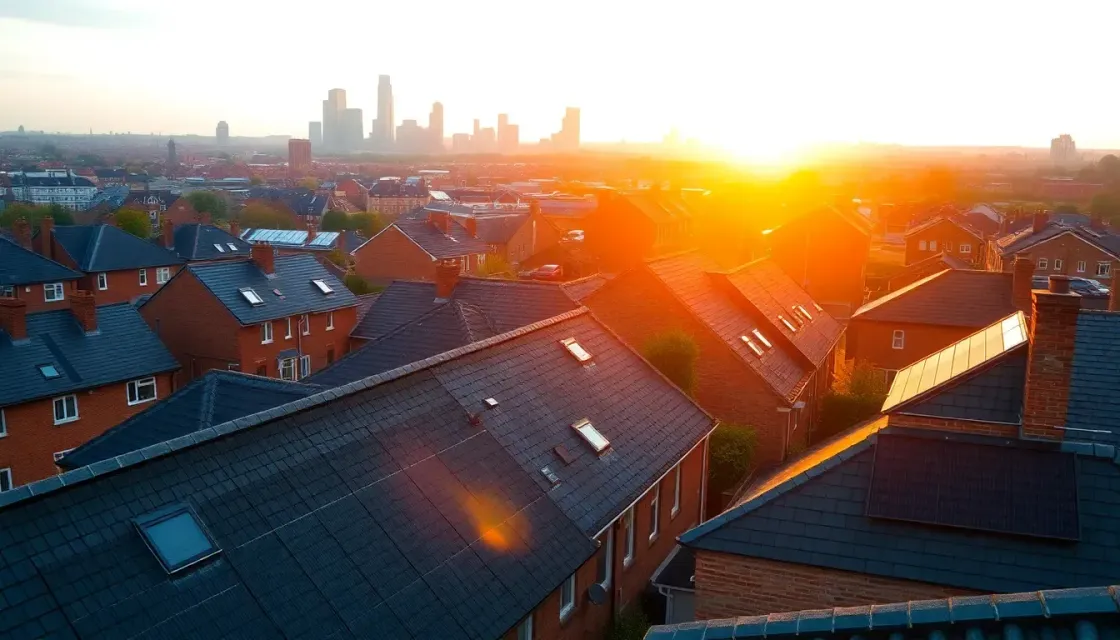
Bristol's housing ranges from Victorian terraces and Georgian townhouses to post-war estates. Each has its own roof shape and shading. Terraces often offer a clean slope, while hillside streets can mean more shade.
For example, most homes in England can add panels without a planning application. On a pitched roof, panels can stick out no more than 20 cm and must stay below the highest point. The rules changed on 27 August 2026, so we check the current text for every job.
Conservation areas and listed buildings need extra care. A listed building needs consent before you add solar panels. In a conservation area, panels on street-facing walls are restricted, so check with Bristol City Council first. The council has also consulted on a local consent order for rooftop panels on listed homes in the Clifton Conservation Area, which shows it is willing to consider solar on historic roofs. Our guide on planning permission for solar panels covers the rules in more detail.
Bristol is in the National Grid Electricity Distribution area. Your installer normally handles the network operator application or notification.
How a Pier Solar project runs in Bristol
In particular, we start with your bills, your roof and your goals. Next comes the design: bespoke solar system design sets out the panel layout, the inverter and any battery. We then match you with a vetted partner for premium panel and inverter installation.
Meanwhile, the partner fits the system to our specification. Your installer should give you an MCS certificate within about ten working days of finishing. You normally need that certificate to be paid under the Smart Export Guarantee. We also arrange an extended workmanship warranty alongside the manufacturer product warranties.
The inverter is the part most likely to need attention, because it usually needs replacing after about 12 years. Our explainer on string, micro and hybrid inverters helps you choose.
Costs, savings and export
Additionally, a typical 4 to 4.5 kWp home system typically costs roughly £6,000 to £8,000 installed, based on government cost data. Installing solar panels in a home in Great Britain is currently VAT-free, until 31 March 2027. From 1 April 2027 the rate is due to return to 5%, unless the government changes it.
As a result, the Smart Export Guarantee pays you for surplus solar electricity you send to the grid. Each supplier sets its own export rate, so compare tariffs before you choose.
Panels should typically last 25 years or more, and they slowly lose output, typically around half a percent a year. Read more in our guide on how long solar panels last.
Group buying may also help. Solar Together West of England, covering Bristol, Bath and North East Somerset, South Gloucestershire and North Somerset, ran rounds in 2021, 2023 and 2025. Registration was closed when we checked, so look at the combined authority's page for any new round.
Nearby areas we cover
If you are weighing options across the region, see our page on solar panel installation in Cardiff just across the Severn. Our team also works with homeowners on solar systems in Plymouth.
Ready to start? Send your postcode and roof details through our online enquiry form for a Bristol solar design.
Frequently Asked Questions
- Most homes do not, provided the panels meet the size and height limits. Listed buildings and conservation areas have extra rules, so check with Bristol City Council before you order.
- PVGIS models about 1,020 kWh a year for each kWp at an ideal angle. A 4 kWp system would make roughly 4,080 kWh, though real roofs typically make less.
- Solar Together West of England has run three rounds, but registration was closed when we checked. Look at the West of England Combined Authority page for the latest.
- Vetted MCS-certified partners fit the system to our design. Pier Solar designs and specifies, then oversees the project.